
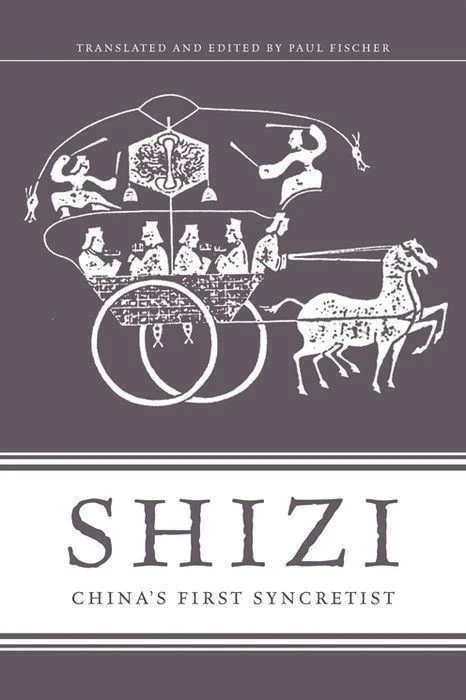
By blending multiple strands of thought into one ideology, Chinese Syncretists of the pre-imperial period created an essential guide to contemporary ideas about self, society, and government. Merging traditions such as Ruism, Mohism, Daoism, Legalism, and Yin-Yang naturalism into their work, Syncretists created an integrated intellectual approach that contrasts with other, more specific philosophies. Presenting the first full English translation of the earliest example of a Syncretist text, this volume introduces Western scholars to both the brilliance of the syncretic method and a critical work of Chinese leadership. Written by Shi Jiao, China’s first syncretic thinker, during the Warring States Period of 481 to 221 BCE, *Shizi* is similar to Machiavelli’s *The Prince* in that it dispenses wisdom to would-be rulers. It stresses the need for leaders to be detached and objective. It further encourages self-cultivation and effective government, recommending that rulers maintain self-discipline, hire reliable people, delegate power transparently, and promote others in an orderly fashion. The people, it is argued, will emulate their leader’s wisdom and virtue, and a just and peaceful state will result. Paul Fischer provides an extensive introduction and a chapter-by-chapter summary and analysis of the text—outlining the importance of syncretism in Chinese culture—and explores the text’s particular features, authorship, transmission, loss, and reconstruction over time. The *Shizi* set the stage for a long history of syncretic endeavor in China, and its study provides insight into the vital traditions of early Chinese philosophy. It is also a template for interpreting other well-known works, such as the Confucian *Analects* , the Daoist *Laozi* , the Mohist *Mozi* , and the Legalist *Shang jun shu*.
Related products
-
Anti-Vivisection and the Profession of Medicine in Britain
Original price was: $17.99.$13.99Current price is: $13.99. Add to cart -
A Sand County Almanac & Other Writings on Conservation and Ecology
Original price was: $6.99.$4.99Current price is: $4.99. Add to cart